

Winona Oak Weaves Emotion into Melody and Meaning with Passion, Depth, and Timeless Artistic Vision
Read time 5 minutes
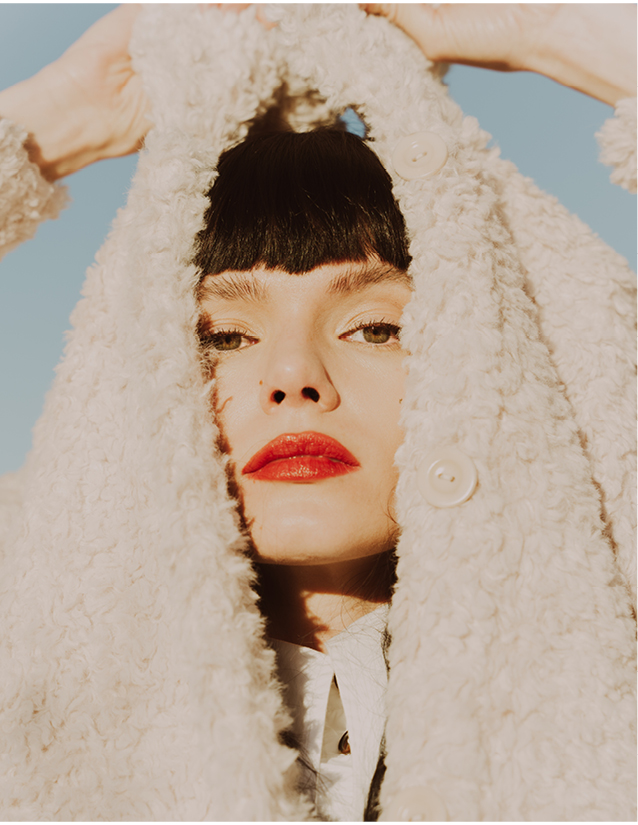
Photography by Julian Gillstrom.
Setting sail for 'Island of the Sun,' the artist weaves vulnerability, pop rhythms, and evocative storytelling into introspective melodies.
In her debut album, “Island of the Sun,” Winona Oak effortlessly blends vulnerability, pop sensibilities, and vivid storytelling to craft a collection of introspective tracks. Following the success of her EPs “Closure” and “She” in 2020, Winona Oak’s fans can finally immerse themselves in the soundscape of her first full-length album. The title, inspired by the small island in Sweden where she spent her formative years, sets the stage for a journey of self-discovery and reflection.
Each track on “Island of the Sun” serves as a window into Winona Oak’s soul, with silky vocals and poignant lyrics revealing layers of emotion and experience. From the haunting melodies of “Jojo” to the ethereal soundscape of “Baby Blue,” Winona Oak explores themes of love, loss, and resilience with raw honesty and vulnerability. One of the album’s standout tracks, “Break My Broken Heart,” showcases Winona Oak’s knack for blending infectious pop hooks with deeply personal lyrics. The song captures the pain of heartbreak with a bittersweet melody and evocative storytelling, offering listeners a cathartic journey through the highs and lows of love.
“Piano In The Sky,” another notable single from the album, is a testament to Winona Oak’s ability to craft anthemic pop ballads with universal appeal. The soaring chorus and sweeping orchestration create a sense of grandeur, while Winona Oak’s emotive delivery infuses the song with authenticity and depth. As “Island of the Sun” continues to captivate audiences around the world, Winona Oak’s star continues to rise in the music industry. With her unique blend of vulnerability, pop sensibilities, and evocative storytelling, Winona Oak has solidified her place as one of the most exciting new voices in contemporary music.

Photography by Julian Gillstrom.
Andrekka: How would you describe the evolution of this album compared to your previous work, and which song were you most eager for your fans to experience?
Winona: It’s a bit of a tough question because I believe my sound is in constant flux, evolving with me as I explore new genres and refine my musical style each day. However, tracks like “Radio” and “NDA” really stand out on this album. They deviate from my usual sound, leaning more towards straight-up pop vibes while still maintaining a deeply vulnerable quality. I was particularly excited for my fans to hear these songs as they felt incredibly special to me.
Andrekka: What aspect of the music-making and songwriting process resonates with you the most as you continue to grow in your career?
Winona: For me, one of the most rewarding aspects is looking ahead and envisioning the journey from writing a song in the studio, where you’re simply sharing your life experiences and emotions with those around you, to the moment you step on stage and perform that song in front of an audience. It’s an incredible experience to see people connect with your music on such a profound level, and I cherish every opportunity to perform live and forge those meaningful connections with my audience.

Photography by Julian Gillstrom.
Andrekka: When you step into a room feeling perfectly styled, what’s the first thing you hope catches people’s attention?
Winona: *laughs* Oh, that’s a tough one! I have a bit of a weakness for jackets, coats, and blazers, so it’s probably a statement piece from my collection that they’ll notice first!
Andrekka: Are you more drawn to an unfinished or unbothered aesthetic when aiming for casual chic?
Winona: I’d say unbothered suits me best! My style tends to lean towards chic, but I also like to inject a bit of edge into it. It really depends on the occasion though. For performances, I’m all about vibrant colors and playful outfits. But if it’s just a casual dinner with friends, I’ll opt for a pair of funky jeans paired with chunky sneakers or boots, topped with a stylish top and either a leather jacket or a sleek long coat. It’s all about the vibe of the moment!
” I think everyone who is dressing sustainably is a futurist because that’s how we need to think.”
Andrekka: Do you intentionally set a mood with your choice of color palettes, or is it more about throwing caution to the wind and breaking fashion rules?
Winona: Oh, absolutely, fuck the rules! Fashion should be about expressing yourself freely and wearing what makes you feel good. I don’t really pay much mind to seasonal trends; it’s more about dressing in whatever brings you joy and comfort. Of course, practicality matters—you don’t want to be shivering in the cold or sweating in the heat—but beyond that, it’s all about embracing your personal style without constraints.
Andrekka: What has been your source of style inspiration over the years?
Winona: I find inspiration in so many places! It could be someone I spot at a party, a passerby on the street, or even a particular style showcased in movies. I vividly remember being captivated by the aesthetics of “Amelie” when I was younger—it’s still one of my all-time favorite films. The whimsical yet elegant style in that movie resonated with me deeply. And, of course, “Titanic” left a lasting impression with its portrayal of the glamorous fashion of that era. I find inspiration in a multitude of sources; it could be anything and everything!
Andrekka: Who, in your opinion, is leading the charge as the fashion futurist, and why?
Winona: I firmly believe that those embracing sustainable fashion are the true futurists of the industry. As we look towards the future, sustainability is paramount. Thrift shopping, upcycling, and reimagining our existing wardrobes are crucial steps towards a more sustainable fashion landscape. It’s about shifting away from the harmful cycle of fast fashion consumption and towards a more mindful and eco-conscious approach to dressing. The future of fashion lies in sustainability, and it’s imperative that we all play our part in preserving the planet for generations to come.

Photography by Julian Gillstrom.
Andrekka: When it comes to dressing up, do you prioritize the event, the audience, or your own mood?
Winona: It’s a bit of a balancing act for me. Typically, I take into account both my mood and the nature of the event and audience. For performances, I tend to lean towards edgier and more playful outfits, but ultimately, it boils down to how I’m feeling in the moment. It’s a nuanced decision, but mood and circumstance usually dictate my choice.
Andrekka: We all have our go-to comfort foods; what’s your equivalent in the world of fashion?
Winona: Ah, my comfort fashion piece would definitely have to be oversized clothing—baggy T-shirts and loose-fitting jeans are my go-to! There’s something incredibly comforting and liberating about slipping into relaxed, roomy clothes. It’s my surefire way to feel at ease and grounded amidst the chaos of everyday life.

Photography by Julian Gillstrom.
Andrekka: When listeners connect with tracks like “Baby Blue” and “Jojo,” experiencing feelings of safety and exploration, does that resonate with the message you aimed to convey?
Winona: Absolutely! I’m thrilled that those emotions come through in the music. “Baby Blue” delves into the complexities of leaving a toxic relationship—a tough decision, but one that prioritizes self-worth and well-being. It’s about recognizing what’s best for you, even if it means walking away from something familiar. “Jojo,” on the other hand, is a deeply personal track that delves into feelings of loneliness and self-discovery. It’s about navigating through the challenges of life while finding solace in oneself. I’m glad these songs evoke feelings of safety and connection; they touch on universal experiences that many people can relate to in our complicated world.
Andrekka: Reflecting on your transition between cover and radio, you exuded remarkable confidence and uniqueness. Are there specific looks or songs you believe resonate on a deeper level?
Winona: I’d like to think so! Isn’t that always a part of creating art? You hope it resonates with people, triggers their memories, and makes them feel less alone. For instance, a song like “Radio” – I hope it instills confidence in listeners, making them feel deserving of the spotlight regardless of their past experiences. And then there’s “NDA” – it’s meant to provoke thoughts about our society. Just reading the lyrics should give you a sense of what I mean. I believe it has the power to stir something in your subconscious; at least, that’s my hope.
Interview conducted by Andrekka Lanier, Creative Direction by Andre’ Adkins. Special thanks to Atlantic Records. for their collaboration and support in bringing this insightful conversation to fruition.
Posted
September 30, 2022
August 9, 2018
Related
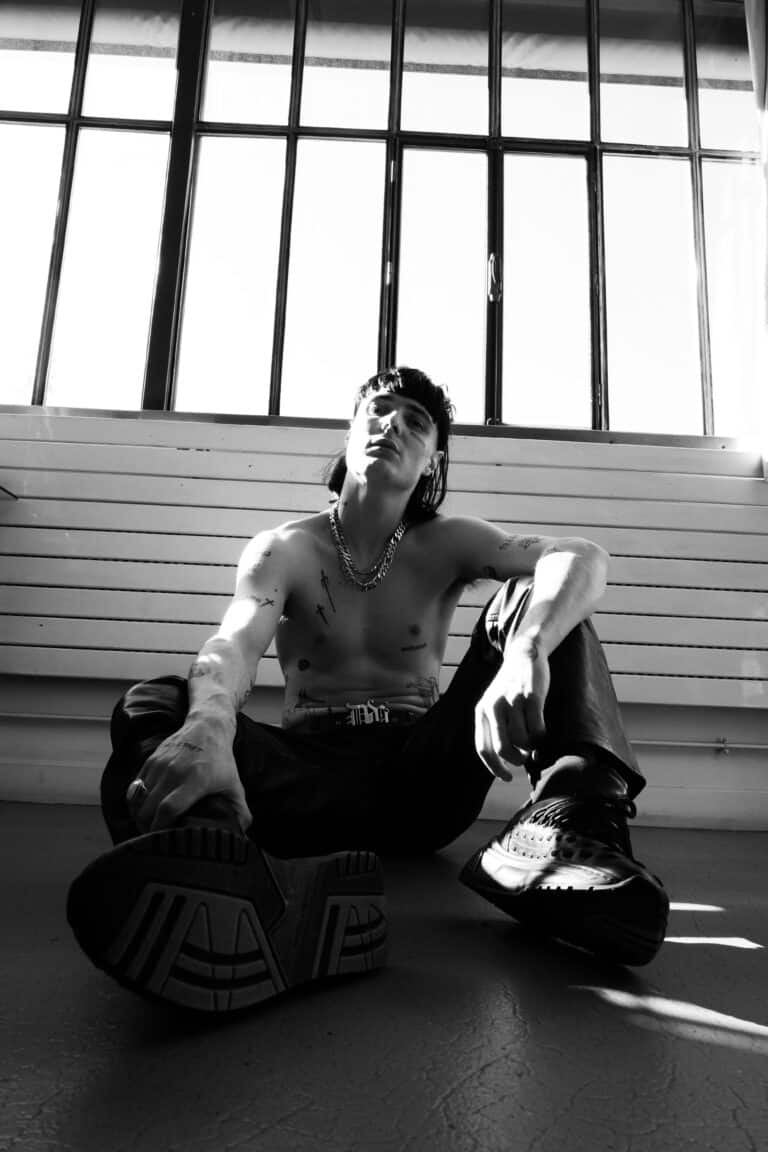
Aimé Simone moves between shadow and light, transforming memory, desire and uncertainty...
by Kelly Barnes
Trevor Daniel returns to the person he was, tracing memory, transformation and...
by DREEDN
The expression of ideas and emotions, with the creation of certain aesthetic...
by Adrian Hendrix

Across sculpture, photography, painting and film, the FW22 pre-collection is pulled apart...
by Taylan Finley
Aimé Simone Moves Through the Space Between Sound and Silence
Read time 2 minutes

Posted
July 1, 2023
Courtesy of Aime Simone.
In the dynamic world of music, fresh talents constantly emerge, captivating listeners with their unique voices and compelling stories.
Paris-born artist and producer Aimé Simone creates music that moves between intimacy and urgency. Drawing from soul, folk, pop and electronic music, he shapes personal experience into songs that feel both immediate and quietly expansive.
His story began long before the studio. Raised in a musical family and surrounded by contrasting sounds, Aimé developed an instinct for crossing genres rather than remaining inside them. That instinct followed him to Berlin, where he independently released his debut single, Say Yes, Say No, in July 2020. The project introduced a voice defined by emotional clarity and included “Shining Light,” which went on to surpass 30 million streams.
As his sound evolved, electronic textures began folding into his soulful foundation, opening a space where vulnerability, memory and transformation could coexist. Whether writing about desire, uncertainty or the world shifting around him, Aimé approaches each song from within the feeling rather than from a distance.
Onstage, that interior world becomes physical. His performances move between intensity and intimacy, drawing the audience into the same emotional space that shapes his recordings. With each new release, Aimé Simone continues to expand that world—following sound wherever it leads and allowing every chapter to reveal another side of who he is becoming.

Courtesy of Aime Simone.
KELLY
What is something about you that people might be surprised to learn?
AIMÉ
People are often surprised to discover that I’m French. I’ve lost much of my accent, and I speak almost exclusively in English at home, so it isn’t always immediately apparent.
They might also be surprised that I don’t drink alcohol, smoke or take drugs.
KELLY
What are you working on now, and what do you hope it becomes?
AIMÉ
I’m developing the live show. It’s continually evolving, and I make adjustments based on what I learn at each festival. Every performance reveals another possibility.
I want the experience to feel effortless, powerful and cathartic—for both me and the audience. I want the show to carry you, lift you and release something within you.
KELLY
What would your dream project or collaboration look like?
AIMÉ
I would love to create an album somewhere removed from everything—perhaps a villa in a warm climate. I imagine completely immersing myself in the work, surrounded by the right instruments, tools and people, all bringing the right energy into the space.
To have the freedom to disappear into the creative process for a while—that would be a luxury.

Courtesy of Aime Simone.
KELLY
How do you navigate the space between your public persona and private life? Where do you draw the boundary?
AIMÉ
I’m reaching a point where I have to establish clearer boundaries. Before, I tried to respond to everything personally—every message, every interaction. I always knew that would eventually become difficult, and although I sometimes feel guilty, it simply isn’t possible for things to remain as they were.
I’ve become more selective about where I place my energy. Some listeners offer so much love, and I can feel that their connection to me and the music is genuine. I will always want to be present for them.
But increasingly, there are people who don’t make an effort to understand me. They see the spotlight and want something from it. I have to separate myself from that kind of energy because it can feel empty and deeply draining.
” I just have to believe my intuition. It’s very scary in the industry where everything is built to make you believe that you can’t do it your way, that you have to do things the “right” way or you will fail, be punished, or be abandoned.”
KELLY
If you could invite any historical figure to dinner, who would you choose—and what would you serve?
AIMÉ
I would bring back Salvador Dalí and serve him lobster.
KELLY
If you could keep only one app on your phone, which would it be?
AIMÉ
Probably WhatsApp. Or Instagram.
KELLY
How do you balance the pressure for perfection with the freedom to take risks?
AIMÉ
That is a real challenge, but I try not to overthink it. The answer is always in the action. You cannot force the process—you have to begin.
Do the work. Don’t be lazy. Do it well and take it as far as you can. Then, when the time comes, know how to let it go.
It’s a lesson you encounter repeatedly. I think that is simply the work of being an artist.

Courtesy of Aime Simone.
KELLY
What do you see as the greatest challenge facing music today—and how might the industry begin to address it?
AIMÉ
Our attention spans. We are surrounded by an endless stream of content and constant stimulation, and that environment makes it increasingly difficult for people to form a meaningful connection with music—or with the artist behind it.
The advantage is exposure. More people can encounter your work than ever before. But what is disappearing is the time and attention required to understand an artist’s depth. A song might create a brief sensation before the listener moves immediately to the next thing, rather than entering the artist’s world and remaining there.
I believe people still need that deeper connection to art, but reaching their hearts has become more difficult. Everyone is busy, overstimulated or increasingly apathetic. It raises a larger question about where we are moving as a culture.
We are still physical beings. Our relationship with technology must become symbiotic rather than destructive. There is a healthier balance to be found—we simply haven’t reached it yet.

Courtesy of Aime Simone.
KELLY
How do you remain authentic in an industry so often driven by image and surface?
AIMÉ
I always return to the music. That is the center of everything—the songs, the melodies and the lyrics. As long as they remain true, I’m not afraid of losing myself. The music keeps me grounded in who I am.
KELLY
Can you recall a moment when you had to trust yourself and move in a new direction?
AIMÉ
I’ve had to stop working with certain people. That is always frightening because familiarity creates comfort, particularly when you have worked with someone for a long time. But sometimes change becomes necessary.
Those moments feel like leaps of faith. I have to trust my intuition, even within an industry designed to make you believe there is only one “right” way to succeed—and that choosing your own path will lead to failure, punishment or abandonment.
KELLY
What keeps you creating when the path becomes difficult?
AIMÉ
It is all there is for me to do in this life. I don’t think I could ever give it up. What else would I do?
The challenges are part of the experience. They make me stronger. I think I chose this path because I wanted to grow. Sometimes I feel like giving up, but that feeling is usually directed toward specific parts of the industry rather than the work itself.
I could imagine choosing a more underground path one day. That is where I come from, and perhaps it would feel less difficult. The industry can be deeply uncomfortable, but I also value the competition it creates within me—the pressure to keep challenging myself, even within a harsh environment.
KELLY
If you could return to the beginning of your career, what advice would you give yourself?
AIMÉ
It’s difficult to answer because everything I might change is also part of what brought me here. Every decision, even the difficult ones, shaped the path I’m on now.
TOUR DATES
May 12 — The Great Escape, Brighton
June 4 — We Love Green, Paris
November 6 — La Cigale, Paris
November 27 — Circolo Magnolia, Milan
Oh Glory is out now via Because Music.
Posted
July 1, 2023
September 15, 2026
Related

Make-up is dissident. It claims control over identity. It rewrites our biological...
by Montrose

It’s fair to say that the past few years have seen a...
by Kelly Barnes
Taking inspiration from a montrosecollection from the year 2000, Jones based his...
by Kaden Mason